
Competing priorities
We have a strategic plan but competing priorities keep pulling us in different directions.
Four challenges I hear most often from heads, principals, and senior leaders.
Are the changes working?
We're running multiple improvement projects and none of them have a reliable way to tell us whether they're working.
The CHALLENGES Schools EXPERIENCE
Sound familiar?
Avoiding conflict
Our leadership team avoids the hard conversations, and it's starting to cost us.
Limited impact
We invest in leadership development, but nothing changes in how people lead day-to-day.
MY APproach
How it works
I do the homework before I walk into the room. I talk to the people involved, read the context and come prepared to help the team see what's possible from where they actually are.
The work creates the conditions for honest thinking: enough safety to say what's getting in the way, enough challenge to move beyond it. Individual strengths get connected to collective responsibility. Collaboration gets translated into concrete decisions and next steps.
Behind every engagement is a simple discipline:
1. Diagnose
2. Design
3. Implement
4. Impact
Name what matters most. Involve diverse perspectives. Surface root causes.
Co-create a coherent response. Prioritise with discipline.
Treat initiatives as hypotheses to be tested, with rapid feedback, which earn the right to scale.
Regular, honest judgements of what's working, to inform whether to invest more, adapt, or stop initiatives.
Getting the diagnosis right takes disciplined effort, but it makes everything that follows faster and more focused because the team is aligned in solving the right problem.
iv.
Leadership Practice and Development
Leadership is an attitude, not a title. This work starts with a targeted assessment to ensure the programme focuses on what matters most for this group. Leadership skills are transferable across roles but the emphasis depends on experience. Leaders earlier in their journey are often developing the skills and habits to lead themselves well: running better meetings, holding honest conversations, clarifying expectations. More experienced leaders are learning to lead others more deliberately through skills like effective line management and systems that build leadership capacity across the school.
What changes
Leaders develop the skills that match their current proficiency, and transfer them into daily practice while the programme is still running.
Services
Four areas of focus
Every engagement is different, but the work tends to land in one of these four places. Each is outcome-led: what changes for the school.
ii.
Implementation Discipline
Most schools are running more improvement projects than they can track effectively. The initiatives have energy and good intentions but few have practical measures that would tell you whether progress is happening. This work helps teams define what early progress looks like, build measures that inform judgement during implementation, and pilot initiatives before scaling.
What changes
Schools build capacity to invest more in the projects that work by adapting or dropping the projects that don't.
i.
Strategic Diagnosis
When schools face too many priorities and not enough clarity about what matters most, strategic plans become wish lists. This consultation uses a structured diagnostic process to surface what's really getting in the way, starting with existing strengths and involving the people closest to the work. The team shapes the diagnosis together so the conclusions land with credibility and ownership.
What changes
A broad ambition becomes a precise strategic question the team can act on.
iii.
Leadership Culture and Team Cohesion
When leadership team dynamics go unaddressed the effects show up everywhere: slower decisions, avoided conversations, and mixed signals across the school. This work starts before the team day with a diagnostic assessment across six dimensions of team effectiveness, followed by individual consultations with every team member. This identifies where the greatest leverage for improvement sits. The facilitated session then focuses on those areas rather than running a generic programme.
What changes
The team leaves with co-designed norms, stronger routines, and concrete commitments they can act on the next day.
Strategic Diagnosis
When the barriers sit in the system, not the people
A leading international school in Singapore
A broad ambition to "strengthen leadership development" became a precise strategic question: what would make strong leadership consistent, developmental, and embedded in everyday practice?
Leadership Culture and Team Cohesion
Getting under the skin of a leadership team
A senior leadership team of ten, international school in Singapore
First-round commitments held a year later — and the team was ready to tackle deeper questions about trust, candour, and professional vulnerability they couldn't have addressed before.
case studies
What changed in schools
Implementation Discipline
From virtues to practical measures
A regional network running a peer mentoring programme
The team stopped measuring sentiment and started tracking practical indicators — catching where the programme was working and where it wasn't, early enough to respond.
Leadership Practice and Development
Visible transfer into daily practice
Sixteen leaders, four modules, an international school in Singapore
100% applied ideas in their own context. Final module attendance grew past 100% as new participants joined through word of mouth. The school commissioned a second set of modules.
In Their Own Words
What clients say
Strategic Diagnosis
Leadership Culture and Cohesion
Leadership Practice and Development
"I was so impressed with the way that Ewen had listened and evaluated the key areas of challenge in the first session and consolidated it with data that really did reflect our situation well."
"Ewen personalised the work carefully to our context, taking in individual perspectives beforehand so the session itself could focus on what mattered most. The work was not only enjoyable on the day, but had a lasting impact on the effectiveness of our team."
"I gained actionable skills to improve relationships, boost team communication, and turn tough talks into productive progress. The programme blended interactive workshops, real-world case studies, and practical tools I could apply straight away."
Pippa Gresham
Safeguarding Lead
Tanglin Trust School, Singapore
Daniel Brown
Assistant Head of College
Dulwich College, Singapore
Nadia Khalid
Head of English and Drama
Middleton International School, Singapore


ABOUt
Ewen Bailey
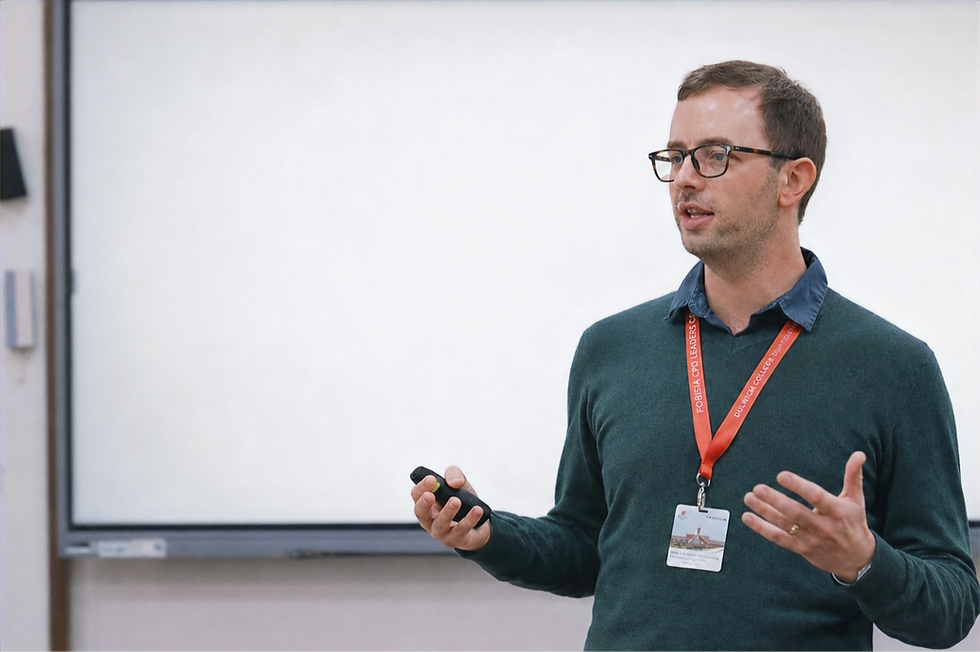
Ewen Bailey works with leadership teams in international schools across Asia to help them diagnose what matters most, make better decisions together, and turn priorities into practical progress.
His background includes 12 years in education and school leadership, co-founding an award-winning platform called PeerSphere, and leading teacher development work across the sector.